

Looking back from the juncture of 2026, humanity's vision for "tomorrow" has never been as clear and dynamic as it is today. From the 1939 New York World's Fair, which showcased early technological marvels like television and nylon under the theme "Building the World Tomorrow," to the current deep integration of artificial intelligence, green energy, and smart construction technologies into the fabric of society, technology is no longer merely an auxiliary tool, but a core force reshaping civilization and defining future lifestyles. In today's era of deep integration of digitalization, intelligentization, and greening, technology is building a smarter, fairer, and more sustainable world with unprecedented depth and breadth.
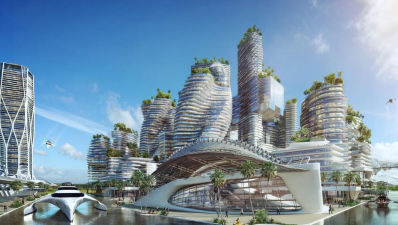
Housing: Smart Homes and Environmental Sustainability
Smart home technologies are gradually becoming a reality. They not only enhance living comfort but, more importantly, pave the way for sustainable lifestyles by optimizing energy consumption. In future cities, homes will not only respond to our needs, such as automatically adjusting indoor temperature or lighting, but will also proactively learn our habits to operate in the most energy-efficient way. For example, by analyzing the daily activity patterns of family members, smart systems can automatically reduce heating and lighting when no one is home, or automatically adjust energy usage based on weather forecasts and family activity schedules, thereby significantly reducing energy waste and carbon footprint.
Mobility: Revolutionizing Autonomous Driving and Transportation Networks
Autonomous driving technology heralds a revolutionary transformation in personal and public transportation. In future cities, autonomous vehicles will not only provide safe and efficient travel but also reduce environmental impact by minimizing traffic congestion and accidents. Intelligent transportation systems will analyze traffic flow and conditions in real time, optimizing routes and traffic signals to reduce waiting times and travel delays. Furthermore, the sharing economy model, coupled with autonomous vehicles, will further reduce the number of vehicles in cities, freeing up significant urban space for green spaces and public areas, thus improving the quality of urban living.
Work: Smart Offices and Remote Collaboration
With the development of AI and machine learning technologies, future workplaces will become more flexible and efficient. Smart office systems can automatically adjust the work environment—such as lighting, temperature, and noise levels—based on employee work habits and project needs to improve work efficiency and comfort. Simultaneously, remote collaboration technology will make geographical location less important, allowing team members to collaborate efficiently from any location, further promoting work-life balance.

Social: Smart Communities and Interconnected Support
The smart technologies of future cities will also change the way we socialize and our community life. Through smart community platforms, residents can easily participate in community activities and receive customized activity and service recommendations based on their personal interests and needs. In emergencies, smart community systems can quickly identify problems, coordinate resources, and ensure resident safety. Furthermore, leveraging big data and AI technologies, smart communities can predict and meet residents' needs, thereby building a closer and more supportive community network.
Challenges and Countermeasures: Ensuring the Safety and Ethics of Smart Cities
While smart technologies offer a bright future for cities, their development and application are accompanied by a series of challenges, particularly regarding data privacy, cybersecurity, and ethics. To address these challenges, a comprehensive legal framework and policy guidance must be established to ensure that the development and application of technology not only adhere to ethical principles but also protect citizens' privacy and data security. Moreover, the construction of smart cities must consider the accessibility and inclusivity of technology, ensuring that all groups benefit and avoiding new social divisions.
Conclusion
The construction of future cities is a long-term and complex process that requires the joint efforts and participation of governments, businesses, research institutions, and the public. Through continuous technological innovation, policy support, and social adaptation, we can gradually address the challenges and maximize the positive impact of smart technologies. The vision of future cities is not merely a showcase of technology, but a crystallization of human wisdom and creativity, pointing towards a more convenient, safe, sustainable, and humane tomorrow. In this journey, everyone is both a participant and a beneficiary. Let us join hands to create a smart future and leave a better world for future generations.